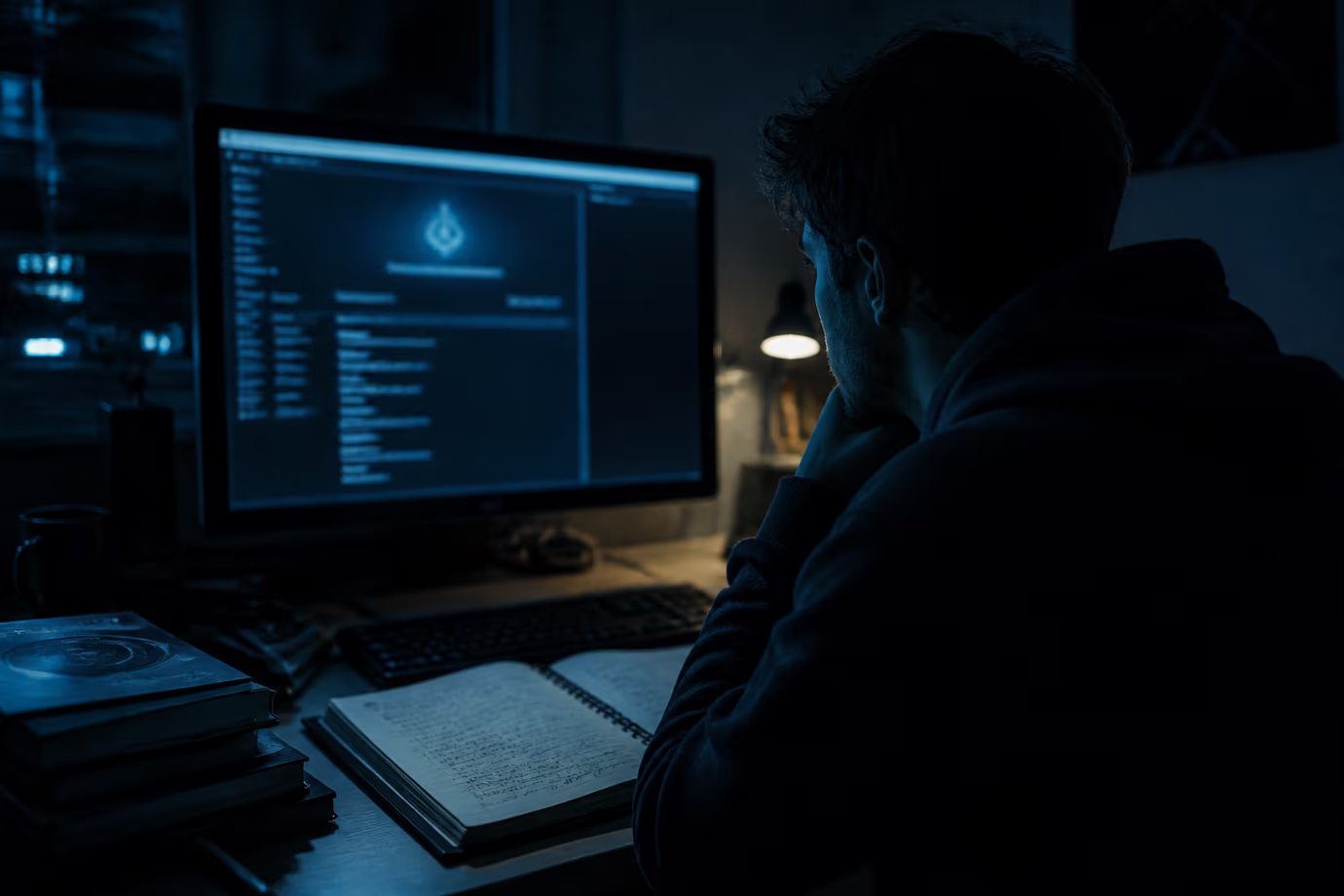
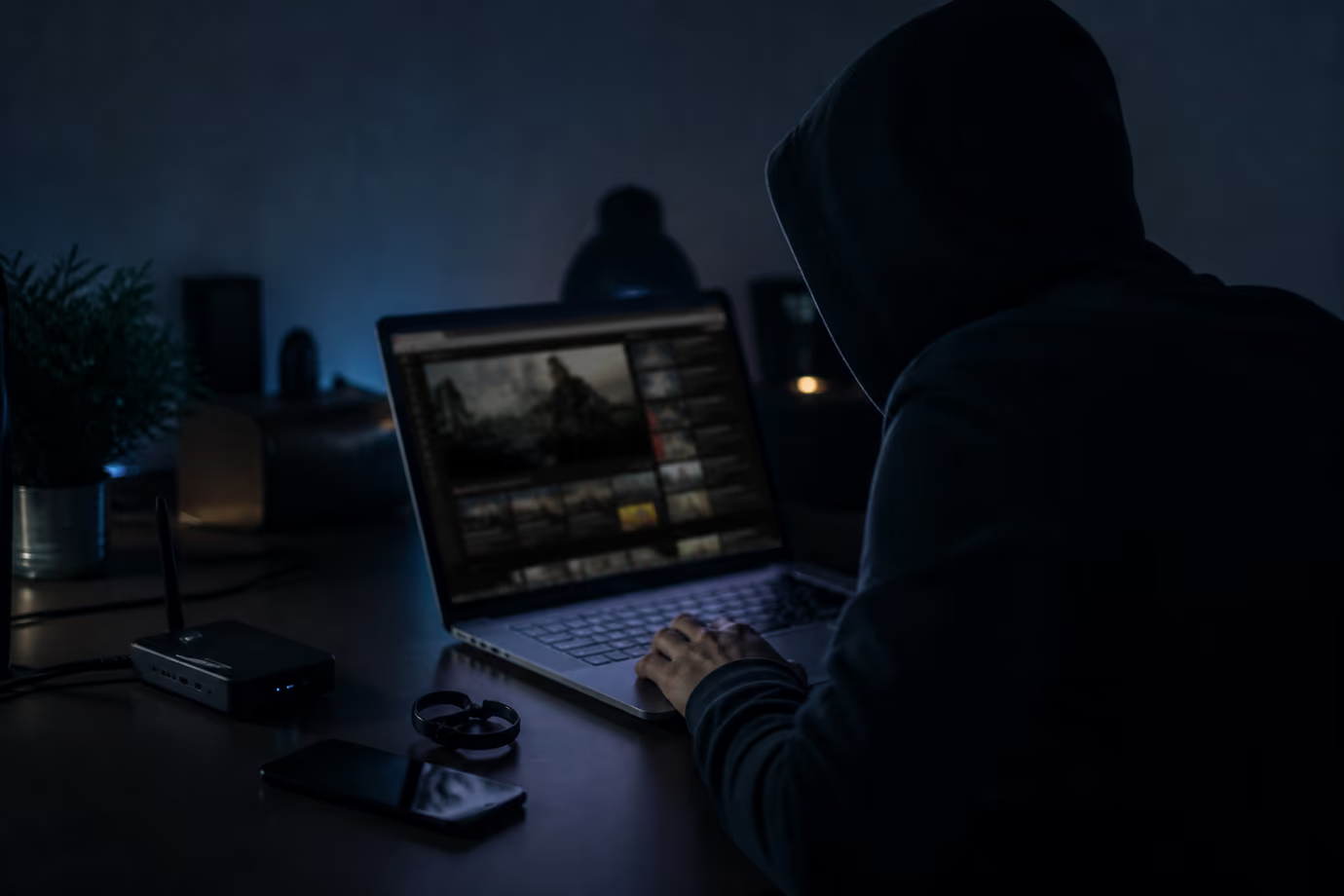
There is no single definitive film titled "Hidden Wiki Film." However, documentaries exploring the deep and dark web often feature the Hidden Wiki as a key navigation tool for .onion sites [2, 5]. For example, a 2014 BBC Horizon documentary discussed the deep web and specifically mentioned thehiddenwiki.org (1).
The Hidden Wiki is a significant component of the dark web, acting as a directory of .onion sites that facilitates navigation through this complex digital landscape.
The Hidden Wiki functions as a MediaWiki platform, similar to Wikipedia, where users can find links to various .onion sites, categorized by purpose and content. Initially launched in 2007, it has served as a resource for those seeking anonymity and privacy online. The main page of the original Hidden Wiki provided a centralized hub for users to access a range of services, forums, and information that are not indexed by traditional search engines (2) (3).
Despite its utility, the Hidden Wiki has garnered a mixed reputation. Today, there is no single reliable version of the Hidden Wiki; numerous clones exist, many of which are unreliable and may direct users to scams, phishing pages, or malware (3). Users must exercise caution when navigating these directories, as the risk of encountering malicious content is significant.
Common misconceptions about the Hidden Wiki often stem from its association with illegal activities. While some users may exploit anonymity for cybercrime, the dark web also serves legitimate purposes, such as activism and secure communication. The narrative surrounding the Hidden Wiki can be oversimplified, leading to a perception that it is solely a haven for criminal enterprise (4).
Before exploring the Hidden Wiki, ensure you understand the following:
- Anonymity: Accessing the Hidden Wiki requires the Tor browser, emphasizing the need for specialized software to navigate the dark web securely.
- Diversity of Content: The Hidden Wiki hosts a range of sites, from forums discussing privacy to marketplaces for illegal goods, underscoring the complexity of the dark web.
- Caution Required: Always verify URLs and be wary of clones that may lead to scams or harmful content (3).
By recognizing these aspects, you can better navigate the Hidden Wiki and understand its role in the broader context of the dark web.
Filmmakers are attracted to the Hidden Wiki due to its rich thematic elements, including anonymity, illicit activities, and the tension between freedom of information and surveillance.
Compelling Themes for Cinematic Exploration
The Hidden Wiki serves as an intriguing backdrop for narratives that delve into complex issues surrounding cybercrime, digital ethics, and the implications of anonymity. Here are some key themes:
- Anonymity: The allure of the dark web, facilitated by the Hidden Wiki, presents characters who navigate a world where their identities can remain concealed. This anonymity often leads to morally ambiguous choices.
- Illicit Activities: The association of the Hidden Wiki with illegal marketplaces and services creates a fertile ground for dramatic storytelling. Films can explore the consequences of engaging in such activities.
- Freedom of Information: The Hidden Wiki provides access to a wealth of unindexed information, prompting discussions about censorship and the ethics of information sharing.
Narrative Backdrop
The Hidden Wiki's framework allows filmmakers to explore various narrative devices, such as:
- Cybercrime: Characters may engage in hacking, drug trafficking, or identity theft, illustrating the dark web's potential for criminal enterprise.
- Surveillance: Many stories highlight the conflict between individuals seeking privacy and government surveillance, reflecting real-world concerns about digital rights.
- Digital Ethics: Films often challenge viewers to consider the moral implications of actions taken in the anonymity of the dark web.
Common Plot Devices and Character Motivations
Several plot devices frequently emerge in films inspired by the Hidden Wiki:
- The Reluctant Anti-Hero: A character drawn into the dark web due to personal circumstances, often facing moral dilemmas that challenge their ethics.
- The Whistleblower: Individuals using the anonymity of the Hidden Wiki to expose corruption or misconduct, underscoring the dual nature of the dark web as a tool for activism.
- The Cyber Vigilante: Characters who take justice into their own hands, navigating the hidden depths of the internet to right wrongs, often blurring the lines between hero and villain.
These elements not only engage audiences but also provoke critical thought about the implications of living in an increasingly digital society. The Hidden Wiki's role in shaping these narratives reflects a broader conversation about privacy, security, and the ethical responsibilities of individuals online.
Several films have either referenced or been inspired by the Hidden Wiki, exploring themes related to the dark web, anonymity, and cybercrime. Here are some notable examples:
Deep Web
This documentary provides an in-depth exploration of the dark web, including the role of the Hidden Wiki as a navigational tool. It discusses how the Hidden Wiki serves as a directory of .onion sites, highlighting its significance in accessing various dark web services. The film emphasizes ethical dilemmas surrounding privacy and censorship, prompting viewers to consider the implications of their online actions (5) (1).
Silk Road
"Silk Road" dramatizes the rise and fall of the infamous online marketplace that was heavily linked to the Hidden Wiki. The film focuses on the illegal activities facilitated by the site, including drug trafficking and hacking services. It illustrates how the Hidden Wiki provided access to these marketplaces, showcasing the darker side of anonymity on the internet. The movie raises questions about digital ethics and the consequences of engaging in such activities (5).
BBC Horizon (2014)
This documentary segment specifically addresses the Hidden Wiki and its connection to the Silk Road. It presents the Hidden Wiki as a crucial resource for navigating the dark web, emphasizing the risks associated with accessing unindexed content. The film effectively informs viewers about the complexities of the dark web, including its potential for both illicit and legitimate uses (1).
Argo
While "Argo" does not directly reference the Hidden Wiki, it touches on themes of information access and government surveillance. The film's portrayal of characters navigating a complex political landscape parallels the challenges faced by individuals seeking anonymity in the digital realm. This indirect connection highlights the broader implications of information control and privacy (5).
Dark Web (2016)
This thriller examines the dangers associated with the dark web, including hacking and cybercrime. Though it sensationalizes certain aspects, the film reflects the pervasive fears surrounding the Hidden Wiki and its potential for facilitating illegal activities. It serves as a cautionary tale about the risks of exploring the dark web without proper knowledge and precautions (5).
These films collectively illustrate various aspects of the Hidden Wiki, from its role in facilitating access to illicit marketplaces to its implications for privacy and ethics in the digital age. As you explore these cinematic portrayals, consider how they reflect real-world issues surrounding anonymity and security in the online environment.
Films depicting the Hidden Wiki often blend fact and fiction, leading to exaggerated portrayals that can misinform audiences. While some films strive for accuracy, many prioritize drama, which can distort public perception of the dark web.
Common Exaggerations in Cinematic Portrayals
Overemphasis on Criminality: Many films suggest that the Hidden Wiki is solely a hub for illegal activities. While it does link to .onion sites involved in cybercrime, it also provides access to forums focused on privacy advocacy and activism (4).
Dramatic Access Methods: Films often depict characters accessing the dark web with ease, neglecting the reality that users must navigate through specialized software like the Tor browser (4). This simplification minimizes the technical challenges associated with achieving anonymity.
Misrepresentation of Anonymity: The portrayal of characters seamlessly evading law enforcement can mislead viewers into believing that anonymity on the dark web is foolproof. In reality, achieving true anonymity requires a combination of tools, such as VPNs and secure browsing practices (4).
Real-World Implications of These Portrayals
The inaccuracies in films can significantly impact public perception of the dark web and the Hidden Wiki. A 2014 BBC documentary featuring the Hidden Wiki highlighted its role in navigating dark web content, providing a more balanced view compared to sensationalized films (1). However, many viewers may still associate the Hidden Wiki primarily with crime, leading to misconceptions about its purpose and users.
Public Fear: Sensationalized portrayals can foster fear surrounding the dark web, causing individuals to overlook its legitimate uses, such as secure communication and activism (5).
Stigmatization of Users: Misrepresentation can lead to stigmatization of those who utilize the dark web for privacy reasons, painting them as criminals rather than individuals seeking to protect their personal information.
Influence on Policy: Policymakers may respond to exaggerated narratives by implementing stricter regulations on internet privacy and surveillance, potentially infringing on civil liberties.
By critically analyzing these films, you can better understand the nuances of the Hidden Wiki and the dark web. Always approach cinematic portrayals with caution and seek out credible sources for accurate information about these complex topics.
Hidden Wiki films play a significant role in shaping how the public perceives the dark web and online anonymity. These cinematic portrayals can either demystify or sensationalize the complexities of the digital underworld.
Shaping Understanding and Fear
Films about the Hidden Wiki often amplify fears surrounding the dark web. The association of the Hidden Wiki with illegal activities can create a skewed perception that the entire dark web is a criminal haven. This narrative can overshadow the legitimate uses of the dark web, such as secure communication and activism. According to a study, documentaries like the 2014 BBC Horizon segment provided a more nuanced view of the dark web, presenting it as a space for both illicit activities and important privacy discussions (5) (1).
Media's Role in Sensationalization
The media's portrayal of the Hidden Wiki can sensationalize aspects of online anonymity. Many films tend to depict characters effortlessly accessing the dark web, which misrepresents the technical challenges involved, such as the necessity of using the Tor browser (4). This dramatization can lead viewers to believe that navigating the dark web is simple, potentially encouraging reckless behavior.
Common Misconceptions Perpetuated by Films
- Overemphasis on Criminality: Many films imply that the Hidden Wiki is solely a hub for illegal activities, ignoring its role in facilitating discussions on privacy and security (4).
- Simplified Access: Cinematic portrayals often show characters bypassing complex security measures, misleading audiences about the reality of achieving online anonymity.
- False Sense of Security: Films frequently depict characters evading law enforcement easily, creating a misconception that anonymity on the dark web is foolproof (4).
Ethical Responsibilities of Filmmakers
Filmmakers have an ethical responsibility to accurately represent sensitive topics like the dark web. Misrepresentation can lead to public fear and stigmatization of users who seek privacy for legitimate reasons. As viewers, it's crucial to approach these portrayals critically and seek out credible sources for accurate information about the Hidden Wiki and the dark web.
By understanding the impact of these films, you can better navigate the narratives surrounding online anonymity and the complexities of digital ethics.
Films that explore the Hidden Wiki often resonate with ongoing debates about privacy, censorship, and the dark web's role in society. These cinematic themes are deeply intertwined with real-world issues that impact digital security and individual rights.
Privacy and Censorship
The Hidden Wiki serves as a directory for navigating the dark web, which is a segment of the deep web requiring special software like the Tor browser for access (4). This aspect highlights a broader conversation about privacy rights. The anonymity provided by the dark web can empower activists and whistleblowers, but it also raises concerns about illegal activities and cybercrime (5). Films often portray characters grappling with these ethical dilemmas, reflecting the real-world tension between privacy and surveillance.
Digital Security Concerns
As technology evolves, so do the challenges associated with digital security. The portrayal of the Hidden Wiki in films can raise awareness about the importance of protecting personal information. According to a 2014 BBC documentary, the Hidden Wiki's role as a navigational tool for the dark web underscores both its potential for illicit use and its importance in facilitating secure communications (1).
Implications for Filmmakers and Audiences
Filmmakers have a responsibility to accurately depict the complexities of the dark web. Sensationalized representations can lead to misconceptions about the Hidden Wiki, often portraying it solely as a hub for criminal activity (4). This can foster public fear and stigmatization of users who seek privacy for legitimate reasons.
Key Themes in Films
- Anonymity vs. Accountability: Characters often face moral choices that reflect the challenges of maintaining anonymity while being accountable for their actions.
- The Dual Nature of the Dark Web: Films frequently highlight how the dark web can be a tool for both crime and activism, prompting viewers to consider the implications of their online behavior.
- Surveillance and Freedom: The tension between government surveillance and individual freedom is a recurring theme, mirroring current discussions about digital rights.
As you explore films related to the Hidden Wiki, consider how they reflect and shape discussions about privacy, security, and ethical responsibilities in the digital age.
Exploring the dark web can be intriguing, but it requires a strong focus on safety and legality. Here are essential tips to help you navigate these hidden spaces securely.
Use the Right Tools
Tor Browser: This is the primary tool for accessing .onion sites. Tor anonymizes your internet traffic, making it challenging to trace your activities back to you. Always download it from the official site to avoid malicious versions (4).
VPN Services: Using a Virtual Private Network (VPN) adds another layer of security by encrypting your internet connection. Choose a reputable, no-logs VPN to ensure your activities remain private.
Secure Browsing Habits:
- Avoid clicking on unknown links, especially on directories like the Hidden Wiki, as many clones may lead to scams or malware (3).
- Disable JavaScript in your Tor browser settings to reduce the risk of tracking.
Be Aware of Risks
The dark web hosts both legitimate and illicit content. Understanding this duality is crucial. While exploring, you may encounter sites related to cybercrime, which can expose you to legal risks. It's essential to stay informed about the legal implications of your activities online.
Mobile Device Caution
Accessing the dark web via mobile devices can be riskier. Ensure that you use apps designed for secure browsing, like Orbot, which routes traffic through Tor on mobile devices. Be mindful of the security settings on your phone and avoid accessing sensitive accounts while on the dark web.
Stay Informed and Cautious
Awareness is key when navigating the dark web. Many users fall victim to scams or phishing attempts due to a lack of knowledge. Regularly educate yourself about the latest security practices and stay updated on the evolving landscape of the dark web.
By following these guidelines, you can enhance your safety and maintain your anonymity while exploring the dark corners of the internet. Always prioritize your privacy and approach this environment with caution. For more information, consider checking out our resource on Dark Web Explained.
- Film Title
- Deep Web
- Connection to Hidden Wiki
- Explores dark web's ethical implications
- Accuracy of Portrayal
- High accuracy, includes real events
- Thematic Focus
- Privacy, censorship, and anonymity
- Film Title
- Silk Road
- Connection to Hidden Wiki
- Focuses on illegal activities linked to Hidden Wiki
- Accuracy of Portrayal
- Moderate accuracy, dramatized elements
- Thematic Focus
- Cybercrime and digital ethics
- Film Title
- BBC Horizon (2014)
- Connection to Hidden Wiki
- Highlights Hidden Wiki's role in navigation
- Accuracy of Portrayal
- High accuracy, documentary format
- Thematic Focus
- Understanding dark web and its risks
- Film Title
- Argo
- Connection to Hidden Wiki
- Indirectly relates to information access
- Accuracy of Portrayal
- Moderate accuracy, fictionalized
- Thematic Focus
- Government surveillance and freedom of information
- Film Title
- Dark Web (2016)
- Connection to Hidden Wiki
- Examines dark web's dangers
- Accuracy of Portrayal
- Low accuracy, sensationalized
- Thematic Focus
- Crime and anonymity misconceptions
Key Takeaways
Films about the Hidden Wiki offer a glimpse into the dark web, but often prioritize drama over accuracy. We advise you to remember these points:
- Verify Sources: Many Hidden Wiki clones exist, often leading to scams or malware (3). Always double-check URLs.
- Anonymity Requires Effort: True anonymity on the dark web demands more than just using Tor; VPNs and careful browsing habits are essential (4).
- Diverse Purposes: The dark web serves various functions, including activism and privacy advocacy, not solely criminal activities.
- Critical Perspective: Always approach cinematic portrayals with a critical eye, understanding that accuracy is often sacrificed for storytelling.
For your next step, we recommend exploring how the dark web is structured to better understand its environment: Dark Web Explained.
Footnotes
Discover More About the Dark Web
Explore our other resources to deepen your understanding.
Explore NowRelated resources
We collect these links for readers who want to compare options. Where to go.