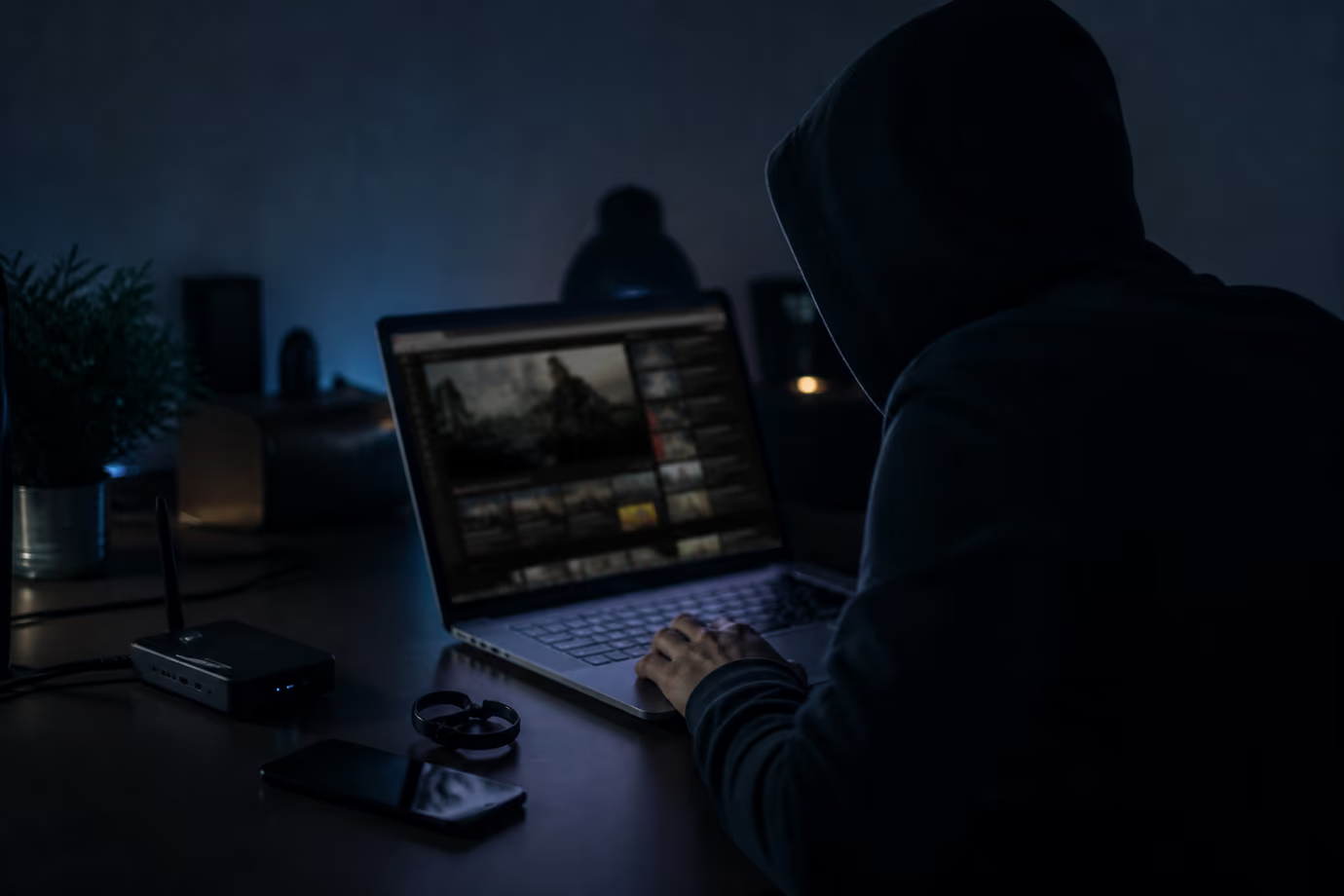
By March 2026, the dark web is transforming into an organized attack infrastructure due to platform decentralization and the commoditization of attack tools (1). Darknet market sales are projected to reach US$2.5 billion by 2025, with wholesale transactions (over US$1,000) surpassing retail sales [1, 2]. Retail purchases of illicit goods are increasingly shifting to social media platforms (2).
Understanding Dark Web Sites in 2026
Dark web sites are a segment of the internet that requires specific software, configurations, or authorization to access. In 2026, these sites primarily operate on the Tor network, using .onion domains to ensure user anonymity and data privacy. The dark web serves various purposes, from providing platforms for free speech and privacy-focused communication to hosting illegal activities, such as the trade of illicit goods.
The primary appeal of dark web sites lies in their ability to facilitate privacy and anonymity. Users often seek these platforms to protect their identities from surveillance, censorship, or data harvesting. For instance, whistleblowers and activists may use dark web forums to share sensitive information without fear of retribution. The growth of dark web markets, projected to reach approximately US$2.5 billion by 2025, highlights the demand for anonymity in transactions, particularly for illicit goods (2).
It's essential to differentiate the dark web from the deep web. The deep web encompasses all parts of the internet that are not indexed by traditional search engines, including databases, private corporate sites, and medical records. While the deep web is primarily benign and used for legitimate purposes, the dark web is a smaller, more secretive section known for its potential risks and illegal activities.
Key Characteristics of Dark Web Sites in 2026:
- Anonymity: Users can interact without revealing their identities, making it safer for sensitive communications.
- Variety of Content: Dark web sites include forums, marketplaces, and blogs, often focused on privacy, hacking, and various subcultures.
- Risk of Illegal Activity: Many dark web sites facilitate the exchange of illegal goods and services, posing potential legal risks for users.
Before accessing dark web sites, ensure you have the necessary tools, such as the Tor Browser, and take precautions to protect your identity and data. Consider using a VPN for an additional layer of security, although this does not eliminate risks entirely (3).
Top Dark Web Search Engines for 2026
Several dark web search engines are expected to play a crucial role in 2026, providing users with the ability to navigate the extensive and often chaotic environment of the dark web. Here are some prominent options:
Ahmia
Ahmia is designed to filter out illegal content, making it a safer choice for users interested in research or open-source intelligence (OSINT). It offers a user-friendly interface that is accessible on mobile devices. The key advantage of Ahmia is its focus on privacy; it does not track user activity and provides search results that are less likely to lead to illicit sites. This makes it suitable for beginners and those cautious about their online footprint (4).
Haystak
With one of the largest indexes of publicly available dark web sites, Haystak boasts an estimated indexing of over 1 billion onion sites. This extensive database allows users to find a wide array of content quickly. Haystak is optimized for mobile use, ensuring that users can search efficiently on their devices. For privacy-conscious users, Haystak supports anonymous browsing, making it a reliable choice for those looking to explore the dark web while maintaining their anonymity (5).
Torch
Torch is one of the oldest search engines on the dark web, known for its simplicity and speed. It indexes a significant number of .onion sites, providing a comprehensive search capability. Torch is mobile-friendly, allowing users to conduct searches without complications. Its straightforward design helps users focus on finding the information they need without unnecessary distractions. While Torch does not specifically filter for illegal content, users can exercise discretion while navigating the results.
VormWeb
VormWeb is built with privacy in mind, avoiding JavaScript to minimize browser fingerprinting and reduce the risk of exploitation. This makes it a safer option for users concerned about their online security. The interface is straightforward, allowing for easy navigation on mobile devices. VormWeb's emphasis on security can be particularly appealing for users who prioritize anonymity and wish to avoid potential risks associated with more mainstream search engines (5).
Dread
Although primarily a forum rather than a traditional search engine, Dread offers valuable insights and discussions about dark web markets and trends. It functions similarly to Reddit, allowing users to share information and seek advice. Accessing Dread on mobile devices is convenient, and it provides a platform for community-driven content. Users can gain market intelligence and insights into various dark web activities, which can be beneficial for making informed decisions (6).
Before using any dark web search engine, ensure that you have the necessary security measures in place, such as the Tor Browser and possibly a VPN, to enhance your privacy and anonymity while exploring the dark web.
Essential Dark Web Forums and Communities in 2026
In 2026, several dark web forums and communities offer valuable resources for users interested in privacy, cybersecurity, and open-source intelligence. Here are some prominent options:
Dread
Dread is a highly influential forum that operates similarly to Reddit, where users engage in discussions surrounding market trends and dark web intelligence. This platform allows members to share experiences, ask questions, and receive advice about various topics, including privacy tools and cybersecurity practices. Dread is known for its active community, making it a crucial resource for those navigating the complexities of the dark web (6).
XSS
XSS is a Russian-language forum that focuses on hacking and cybersecurity discussions. While it offers a wealth of information, it is essential to approach it with caution, as the forum has been labeled a potential law enforcement honeypot following the arrest of its administrator in July 2025. Users can find discussions on various hacking techniques and security vulnerabilities, but exercising discretion is advised when engaging with its content (6).
Exploit.in
Exploit.in serves as a hub for discussions related to exploits, vulnerabilities, and hacking tools. Users can share information about the latest exploits and security patches, making it a valuable resource for cybersecurity professionals and enthusiasts alike. The forum’s focus on technical discussions allows members to enhance their understanding of cybersecurity threats and defenses, which is particularly relevant in an evolving dark web landscape (1).
Other Notable Communities
- The Hub: This forum emphasizes privacy and offers discussions on various privacy tools, encryption methods, and secure communication practices.
- Darknet Diaries: While not a traditional forum, this community offers podcasts and discussions about dark web experiences, providing insights into the culture and activities within the dark web.
Engaging with these forums can significantly enhance your knowledge of the dark web. Remember to protect your identity by using aliases and anonymous email accounts, and never disclose personal information (7). Always prioritize your safety and anonymity while participating in these communities.
Accessing Dark Web Sites Safely on Mobile Devices
Accessing dark web sites on mobile devices requires careful preparation and adherence to security best practices. Here’s a step-by-step guide to help you navigate safely.
Step 1: Install the Tor Browser
For Android users, download the official Tor Browser from Google Play, the Guardian Project’s F-Droid repository, or directly from torproject.org. iOS users should use the Onion Browser, as there is no official Tor Browser for iOS due to restrictions on Apple's WebKit (8).
Step 2: Use a VPN
Before launching the Tor Browser, activate a reliable Virtual Private Network (VPN). This adds an extra layer of security by encrypting your internet traffic and masking your IP address. While a VPN does not eliminate all risks, it significantly reduces exposure when accessing the dark web (3).
Step 3: Configure Browser Settings
In the Tor Browser, disable JavaScript. This is the safest setting as it blocks most malware before the first page loads, thereby reducing the risk of exploitation (3).
Step 4: Avoid Personal Information
Never enter personal details such as your real name, phone number, or financial information on dark web sites. Use aliases and anonymous email accounts to protect your identity (7).
Step 5: Be Cautious with Downloads
Files downloaded from untrusted sources can contain malware or ransomware. If you must download files, consider using a sandbox or virtual machine to open them safely (7).
Additional Tips for Safe Browsing
- Stick to Reputable Sites: Utilize search engines like Ahmia, which filters illegal content and is recommended for beginners (4).
- Stay Updated: Regularly check for updates on your Tor Browser and VPN to ensure you have the latest security features.
- Educate Yourself: Familiarize yourself with dark web communities, such as Dread, to gather insights about safety practices and market trends (6).
Following these steps will help you access dark web sites on mobile devices while prioritizing your privacy and security. Always remain vigilant and informed about the potential risks associated with dark web browsing.
Identifying Legitimate vs. Risky Dark Web Sites
Distinguishing between legitimate and risky dark web sites is crucial for maintaining privacy and security. Here are practical tips to help you navigate safely.
Indicators of Trustworthiness
- Reputation and Reviews: Check forums like Dread for user feedback on specific sites. Established and well-reviewed sites are typically safer.
- Content Quality: Legitimate sites often provide valuable information or services, such as privacy tools or educational resources. For instance, Ahmia is a search engine that filters illegal content, making it a reliable choice for research (4).
- Secure Connections: Look for sites using HTTPS, indicating a secure connection. While most dark web sites use .onion addresses, secure connection protocols are still important.
Red Flags to Avoid
- Poor Design and Functionality: Risky sites may have outdated or poorly designed interfaces. A lack of professionalism can indicate a scam or illegal activity.
- Requests for Personal Information: Legitimate sites will never ask for sensitive personal information, such as your real name or financial details. Always use aliases and anonymous accounts (7).
- Unclear Ownership: If a site lacks clear information about its operators or purpose, it may be a scam. Trustworthy sites usually provide transparency about their intentions.
Examples of What to Look For
- Educational Resources: Sites that offer guides on cybersecurity or privacy tools are often legitimate. For example, forums discussing encryption methods can provide valuable insights into maintaining security.
- Active Communities: Engaging forums like Dread, where users share experiences and advice, can indicate a site's legitimacy due to community oversight (6).
What to Steer Clear Of
- High-Pressure Sales Tactics: Be wary of sites that push immediate purchases or subscriptions. Legitimate sites typically allow users to explore their offerings without pressure.
- Sites with Anonymous or Obscure Domains: While many dark web sites use .onion domains, be cautious of those without any recognizable branding or history.
By following these guidelines, you can better navigate the dark web and identify sites that prioritize user safety and privacy. Always stay informed about potential risks and adapt your browsing practices accordingly.
Common Misconceptions About Dark Web Sites
Many people hold misconceptions about dark web sites that can lead to unnecessary fear or misunderstanding. Here, we address and debunk a few common myths.
Myth 1: All Dark Web Sites Are Illegal
A prevalent belief is that every site on the dark web is associated with illegal activities. While it is true that there are dark web markets involved in illicit transactions, a significant number of sites focus on privacy, activism, and information sharing. For instance, search engines like Ahmia filter out illegal content and are designed for safe research, especially for beginners and those interested in open-source intelligence (4).
Myth 2: The Dark Web Is Only for Criminals
Another misconception is that only criminals use the dark web. The reality is that many individuals access the dark web for legitimate reasons, such as protecting their privacy from surveillance or accessing information in oppressive regimes. The dark web serves as a platform for whistleblowers, journalists, and activists who require anonymity to communicate freely without fear of reprisal. This aspect is crucial in understanding the diversity of users and purposes on the dark web.
Myth 3: Using the Dark Web Is Inherently Dangerous
While there are risks associated with accessing the dark web, such as encountering malware or scams, using it safely is entirely possible. By employing tools like the Tor Browser and taking necessary precautions, users can significantly reduce their exposure to danger. For example, the safest setting in the Tor Browser disables JavaScript, which helps block most malware before it can execute (3). Additionally, using a VPN can further enhance security and privacy when browsing (3).
Conclusion
Understanding these misconceptions is essential for anyone considering exploring the dark web. Rather than viewing it solely as a haven for illegal activities, recognize the potential for privacy, activism, and safe information exchange. By taking appropriate security measures and being aware of the environment, users can navigate the dark web responsibly and effectively.
Enhancing Your Privacy and Anonymity Beyond the Dark Web
To maintain privacy and anonymity, even outside the dark web, you can utilize various tools and practices. These resources can enhance your security in everyday online activities.
Use a VPN
A Virtual Private Network (VPN) encrypts your internet traffic, masking your IP address and enhancing your privacy. This is crucial when accessing any online content, including standard websites. Choose a reputable VPN service that does not log your activity. For maximum security, look for VPNs that use strong encryption protocols, such as OpenVPN or WireGuard.
Secure Messaging Apps
Using secure messaging apps can significantly enhance your privacy. Options like Signal and Telegram offer end-to-end encryption, ensuring that only you and the intended recipient can read your messages. Signal, in particular, is known for its strong privacy policies and minimal data retention. When using these apps, avoid sharing personal information that could compromise your anonymity.
Privacy-Focused Browsers
Consider using privacy-focused browsers like Brave or Firefox with privacy extensions. These browsers block tracking cookies and provide features to enhance your online privacy. For those accessing the dark web, the Tor Browser is essential as it anonymizes your traffic by routing it through multiple nodes, making it difficult to trace back to you. Remember that there is no official Tor Browser for iOS; however, the Onion Browser can be used instead, though it has some limitations (8).
Best Practices for Online Anonymity
- Use Aliases: When signing up for online services or forums, always use aliases instead of your real name. This prevents your identity from being linked to your activities.
- Anonymous Email Accounts: Create email accounts specifically for anonymous activities. Services like ProtonMail offer end-to-end encryption and do not require personal information for sign-up.
- Avoid Public Wi-Fi: Public networks can expose you to various cyber threats. Use your mobile data or a secure VPN when accessing the internet in public spaces.
Regularly Update Your Tools
Keep your VPN, browser, and messaging apps updated to ensure you have the latest security features. Regular updates help protect against vulnerabilities that could compromise your privacy.
By integrating these tools and practices into your daily online routine, you can significantly enhance your privacy and anonymity, even when you are not engaging with dark web resources. Always prioritize your security to navigate the internet safely.
Dark Web Sites and Resources for 2026
- Site/Resource
- Ahmia
- Description
- Dark web search engine
- Key Features
- Filters illegal content
- Safety Tips
- Recommended for beginners [4]
- Site/Resource
- Haystak
- Description
- Largest dark web index
- Key Features
- Over 1 billion onion sites
- Safety Tips
- Useful for extensive searches [5]
- Site/Resource
- VormWeb
- Description
- JavaScript-free search engine
- Key Features
- Reduces fingerprinting risk
- Safety Tips
- Safer browsing experience [5]
- Site/Resource
- Dread
- Description
- Influential dark web forum
- Key Features
- Market intelligence discussions
- Safety Tips
- Check user feedback for safety [6]
- Site/Resource
- XSS
- Description
- Russian-language forum
- Key Features
- Potential law enforcement honeypot
- Safety Tips
- Exercise caution when visiting [6]
- Site/Resource
- Onion Browser
- Description
- iOS dark web access
- Key Features
- Uses Tor routing
- Safety Tips
- Not as secure as desktop [8]
- Site/Resource
- Tor Browser
- Description
- Android dark web access
- Key Features
- Official Tor Project browser
- Safety Tips
- Download from trusted sources [8]
- Site/Resource
- VPN
- Description
- Enhances security
- Key Features
- Encrypts internet traffic
- Safety Tips
- Use with Onion Browser for safety [3]
- Site/Resource
- JavaScript Settings
- Description
- Browser configuration
- Key Features
- Disables malware execution
- Safety Tips
- Recommended for Tor Browser [3]
- Site/Resource
- Personal Info Safety
- Description
- Identity protection
- Key Features
- Use aliases and anonymous emails
- Safety Tips
- Never share real details [7]
- Site/Resource
- Download Caution
- Description
- Risk of malware
- Key Features
- Open files in sandbox
- Safety Tips
- Avoid untrusted sources [7]
Key Takeaways
Navigating the dark web requires a proactive approach to security and privacy. We have covered essential tools and practices for safe access and interaction.
Here are the main points to remember:
- Prioritize Security Tools: Always use the Tor Browser and a reputable VPN for enhanced anonymity and encryption.
- Verify Site Legitimacy: Check site reputations on forums like Dread and look for indicators of trustworthiness, such as content quality and secure connections.
- Avoid Personal Information: Never share your real name, financial details, or any sensitive personal data on dark web sites.
- Stay Updated: Regularly update your Tor Browser, VPN, and other security software to protect against vulnerabilities.
- Educate Yourself: Understand common misconceptions and the diverse nature of dark web content to make informed decisions.
For a deeper understanding of how the dark web operates, we recommend exploring our guide on Dark Web Explained.
Footnotes
- March 2026 Dark Web Issue Trends Report
- WDR 2026 | Data Portal UNODC
- Dark Web Tutorial 2026: How to Get on the Dark Web Safely
- Top 10 Dark Web Search Engines 2026
- Top 10 Dark Web Search Engines in 2026
- Top 10 Deep Web & Dark Web Forums in 2026
- How to Access the Dark Web on a Phone in 2026
- Tor on Mobile: Android Browser and iOS Limits | TorBible
Explore More Dark Web Resources
Discover additional guides and insights on privacy and anonymity.
View More ArticlesRelated resources
We collect these links for readers who want to compare options. Where to go.